Flu Season Is Back: Why the Annual Flu Shot Is a Biology Lesson Worth Taking
In the latest weekly respiratory surveillance report (week 38, September 14–20, 2026), influenza had climbed back to the top spot among pathogens detected in outpatient flu-like illness samples, at a 19.0% positivity rate — ahead of rhinovirus (10.6%) and SARS-CoV-2 (9.3%). Southern provinces were trending upward, while northern activity remained low. Of the flu-positive samples, 69.9% were influenza A — dominated by A(H3N2) at 94.5% — and 30.1% were influenza B (Victoria lineage). A national vaccination guidance for the 2026–2027 season has been published.
For most people, the practical takeaway is simple: get the flu shot. But the "why" is a genuinely interesting piece of biology.
The Flu Is a Virus, Not a Bacterium
Influenza is caused by RNA viruses of the family Orthomyxoviridae — not by bacteria. This matters for treatment: antibiotics kill bacteria, and they do nothing against the flu. The "A" and "B" in flu classifications refer to virus types, and the H and N codes (H3N2, H1N1) name two surface proteins: hemagglutinin (H), which the virus uses to dock onto host cells, and neuraminidase (N), which helps new virus particles escape.
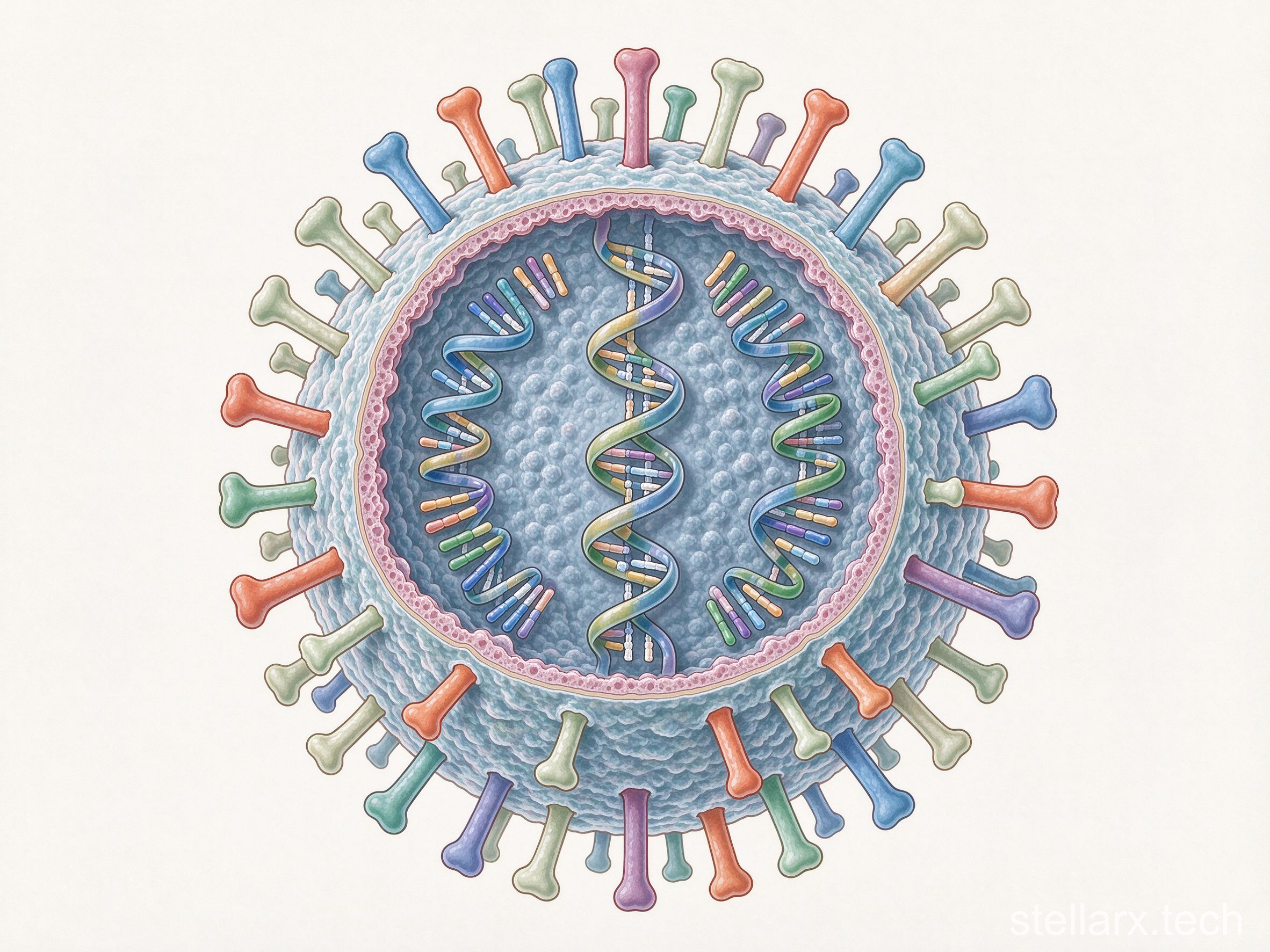
Why You Need a New Shot Every Year
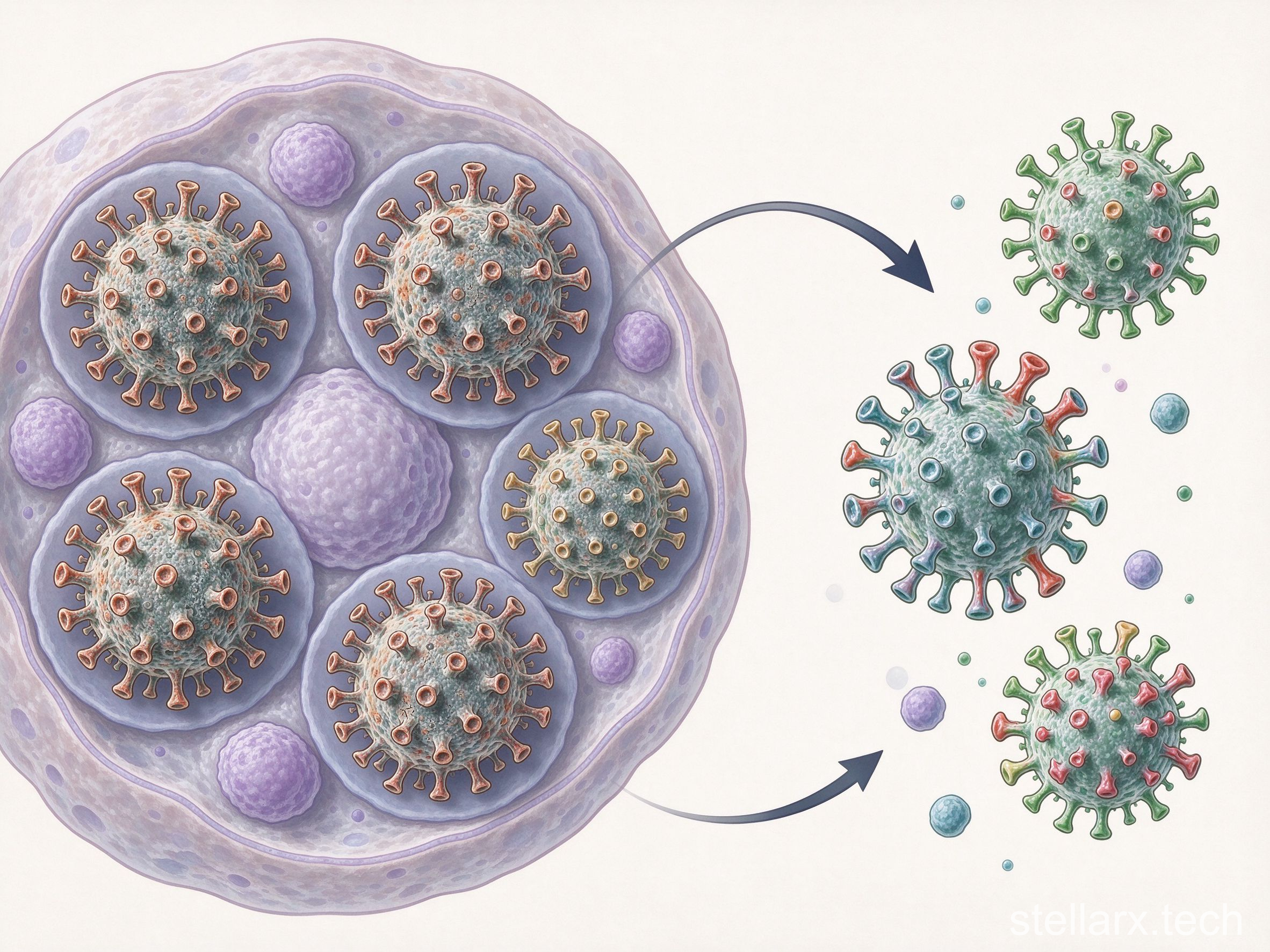
Unlike chickenpox or measles, flu immunity does not last for decades. The reason is antigenic drift: as the virus replicates, its surface proteins accumulate small mutations, so the "shape" your immune system memorized last year no longer matches this year's virus perfectly.
Each season, vaccine manufacturers update the shot to match the strains expected to circulate. Your immune system, meeting the updated vaccine, builds fresh antibodies and memory B and T cells. When the real virus arrives, those memory cells respond fast enough to blunt the infection — or prevent it entirely. Miss the shot, and your immune system meets an unfamiliar virus from scratch, which is exactly the slow, severe scenario vaccines are built to prevent.
Who Should Get It First
Guidelines prioritize groups at higher risk of severe flu: older adults, young children, people with chronic conditions, pregnant women, and healthcare workers. But healthy adults benefit too — the shot reduces both your own risk and the chance you pass the virus to someone vulnerable.
The Scale Problem: You Can't See a Virus With a Light Microscope
Here is a humbling biology fact: a flu virus is roughly 100 times smaller than a typical bacterium — around 100 nanometers. It is far below the resolution limit of an ordinary light microscope. You need an electron microscope to see one. That is why classroom specimen collections hold bacteria and cells, but never viruses.
Bacteria, by contrast, are full cells you can see clearly under a light microscope. Many respiratory pathogens are bacteria — whooping cough, for example, is caused by Bordetella pertussis, a Gram-stained rod. Flu is a virus and whooping cough is a bacterium: both set up camp in the respiratory tract, but one shrugs off antibiotics while the other responds to them.
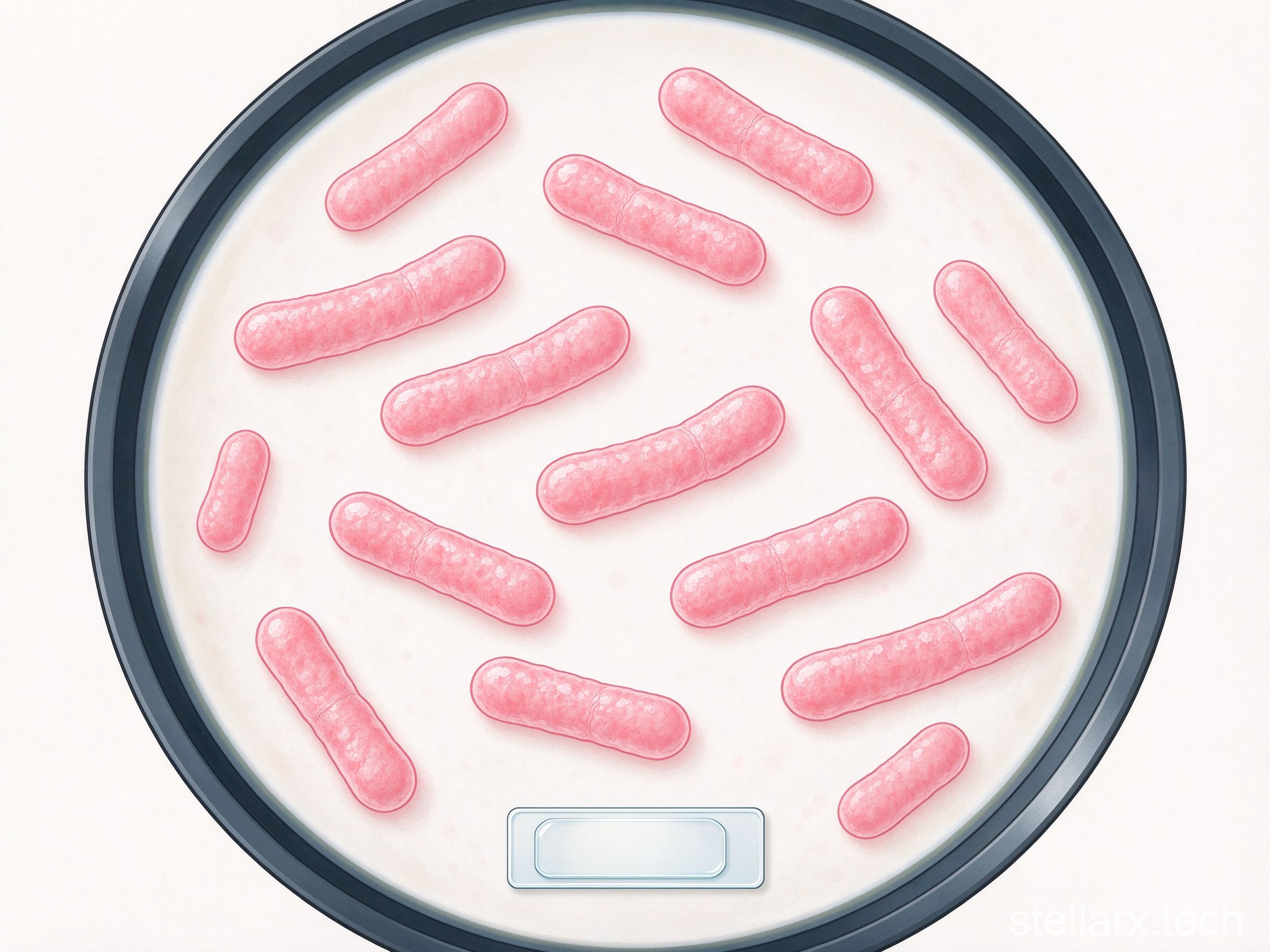
Want to see what a respiratory bacterium looks like under a microscope? WWAI is an AI-powered biology encyclopedia that answers your biology questions instantly and lets you observe real microscope slide specimens online — including a Gram-stained Bordetella pertussis specimen showing the rods that cause whooping cough. Search "WWAI" in your app store and download it today.

References:
[1] All illustrations are AI-generated.
[2] Surveillance and vaccination-guidance data adapted from a public health report for the 2026–2027 flu season, 2026-09-26.
- Bill Gates Warns AI Could Kill a Billion People — and Says Self-Regulation Has Failed
- The "Textbook Diet": 7 Nutrition Rules Most Diet Advice Misses
- Flu Season Is Back: Why the Annual Flu Shot Is a Biology Lesson Worth Taking
- Matcha Benefits: What 3 Grams of Matcha Powder Actually Contains
- The 60-cm Long Egg Tart Is Delicious for 3 Bites — Then Sickeningly Rich. Here's the Biology
- Pepino Melon Is Sweet, Low-Calorie, and 94% Water — If You Buy It Ripe
- Old Phone to USB Drive: How to Turn a Dead Phone's Chip Into a Fast Flash Drive | yunpoly
- Trump Wants to Rename AI to "SI" — Because "Artificial" Makes Intelligence Sound Fake
- A 1 cm Thyroid Nodule Turned Out to Be Cancer While a Bigger One Was Fine — Here's the Biology
- Why Are Mysterious Round Holes Appearing on Parked Cars? The Culprit Is a Moth Larva

全部评论