The 60-cm Long Egg Tart Is Delicious for 3 Bites — Then Sickeningly Rich. Here's the Biology
A pastry shaped like a breadstick, a meter-class length, and a price tag around $1.50: the long egg tart has become the viral food of the season. Bakeries, coffee shops, and street stalls all sell it — some stores limit purchases, some lines run for hours, and the 60-centimeter tart has turned into a social-media badge: the photo comes first, the eating second. Fans call it a photo-op miracle. Then comes the confession everyone seems to share: "I got through one-third and it was too rich — I had to throw it away."
A single long egg tart can pack over 1,000 calories — close to the energy of an entire meal, or two. Why is something so irresistible also so hard to finish? The answer is not marketing. It is the biology of sugar and fat eaten together.
Why "Pastry + Filling" Is So Hard to Resist
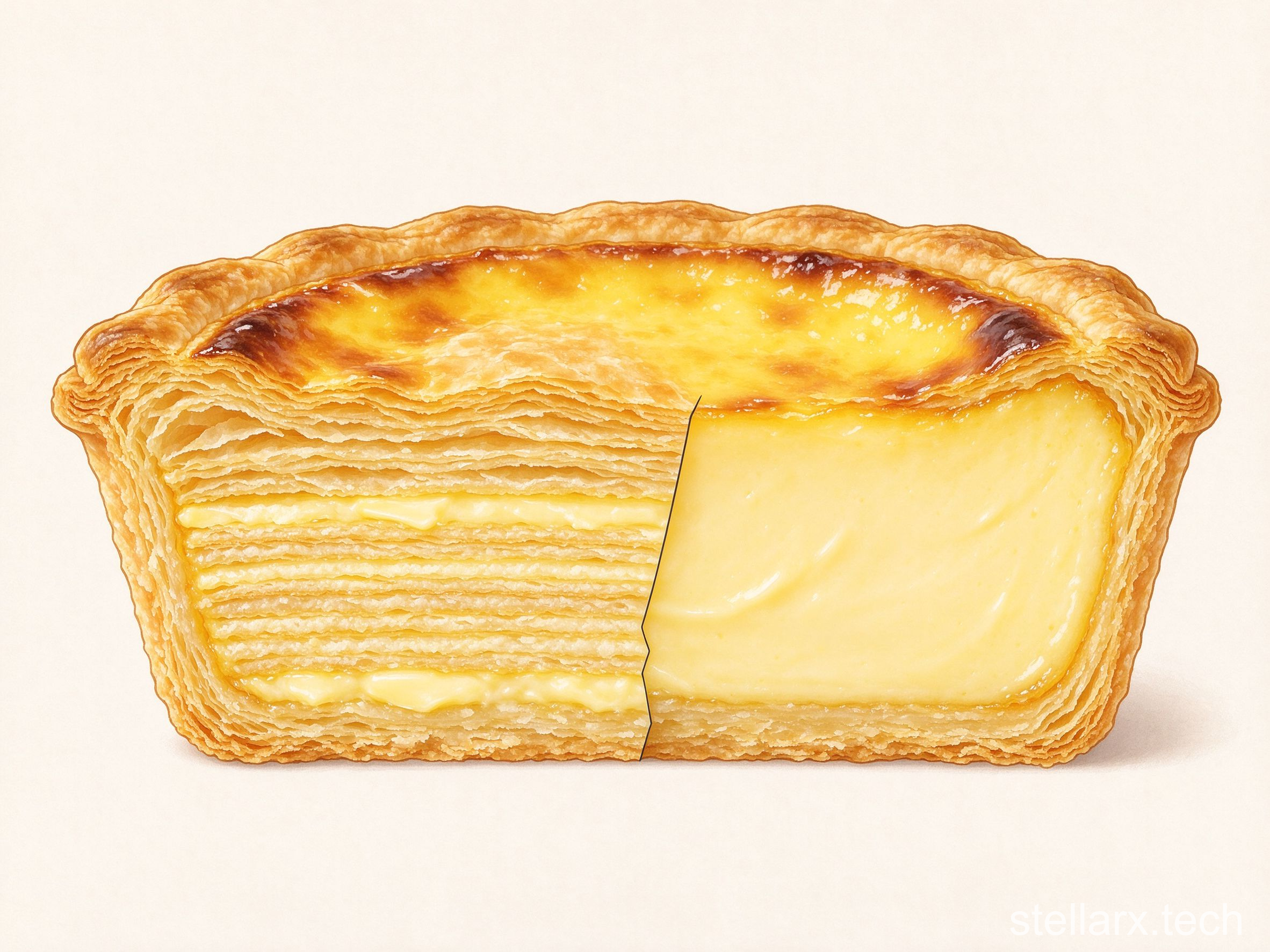
The long egg tart is a textbook sugar-fat combination: a flaky crust built from flour and butter, wrapped around a custard of egg, sugar, and cream. Food scientists have shown that sugar-fat mixtures sit at what is sometimes called the "bliss point" — a ratio of sugar, fat, and salt that maximizes reward.
Fat delivers rich mouthfeel and slow-burning energy; sugar delivers fast sweetness and a quick signal to the brain's reward circuits. Together they produce a pleasure response neither can achieve alone. That is why "crust plus filling" foods — pizza, croissants, egg tarts — have a near-universal pull, and why the viral tart's thinner crust and bigger filling is precisely the direction consumers demanded.
Why You Get "Tired" of It After a Third
Feeling sick of it is not a character flaw; it is a set of biological brakes.
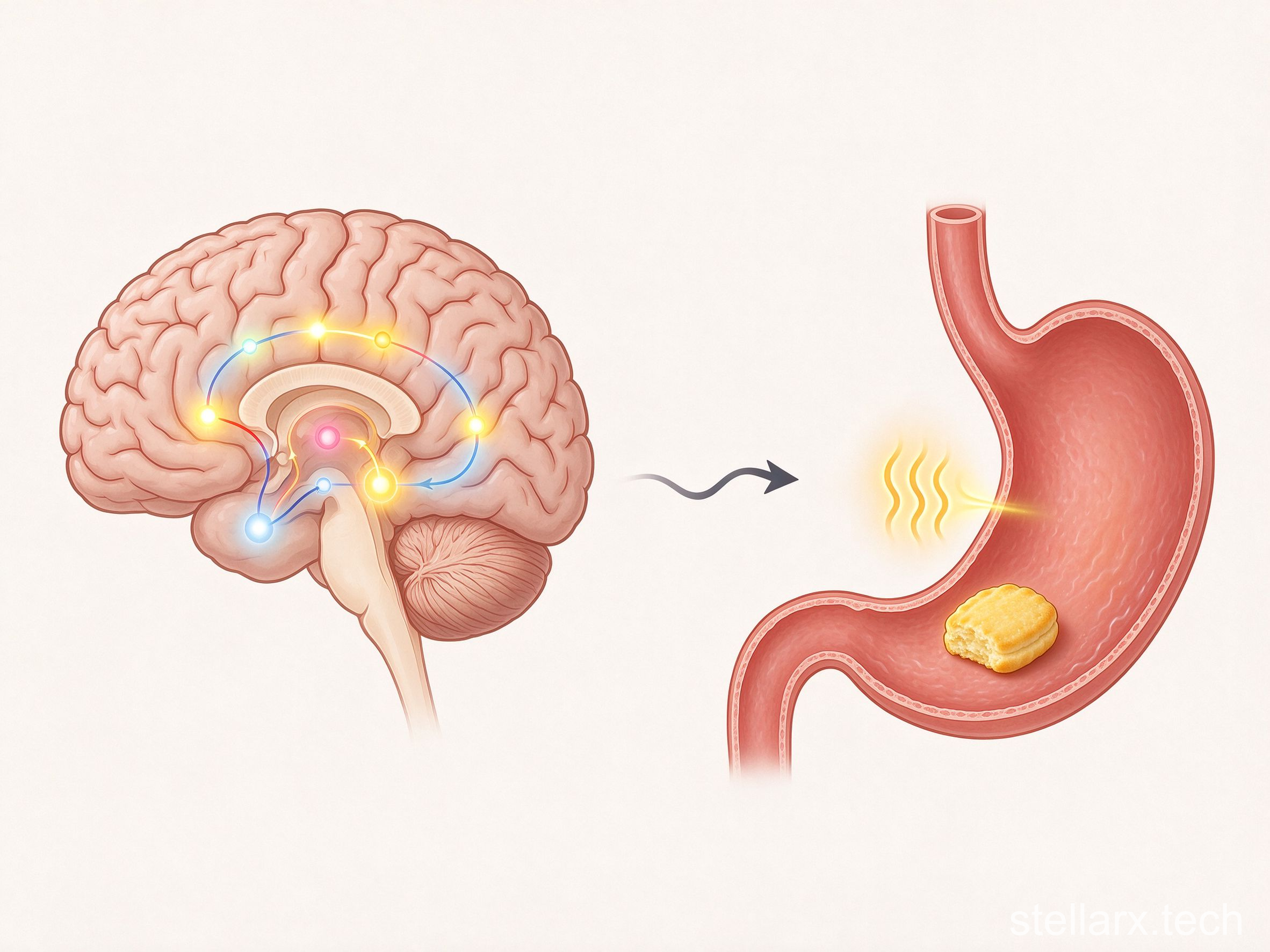
Fat slows digestion. Fats move slowly through the stomach, delaying gastric emptying. The presence of fat in the gut triggers satiety hormones such as cholecystokinin (CCK), which signals fullness and, at high levels, a sense of heaviness.
Sugar-fat meals are energy-dense but not volume-dense. 1,000 calories in a custard pastry occupies far less stomach space than 1,000 calories of vegetables. Your fullness signals are volume-based, so a small, dense pastry can deliver a huge calorie load before your stomach "registers" it — and the nausea often arrives right after the reward fades.
Sensory-specific satiety kicks in. Pleasure from a food drops as you keep eating it — especially for foods that are monotonous in taste and texture. A long egg tart is one flavor, one texture, repeated for 60 cm. The first bites are the best bites by design; the decline is built into the product.
Where the Extra Calories End Up
Whatever the brain thinks about the experience, the body has one destination for surplus energy: adipose (fat) tissue. Excess calories from sugar and fat are converted and stored inside fat cells as large droplets of lipid. Under a microscope, adipose tissue looks like a honeycomb of big, empty-looking cells — each one a tiny battery for future energy.
That is the quiet biology behind the viral pastry: a cheap, industrial miracle of flaky layers (64-layer lamination, for the record) on the outside, and a calorie surplus on the inside.
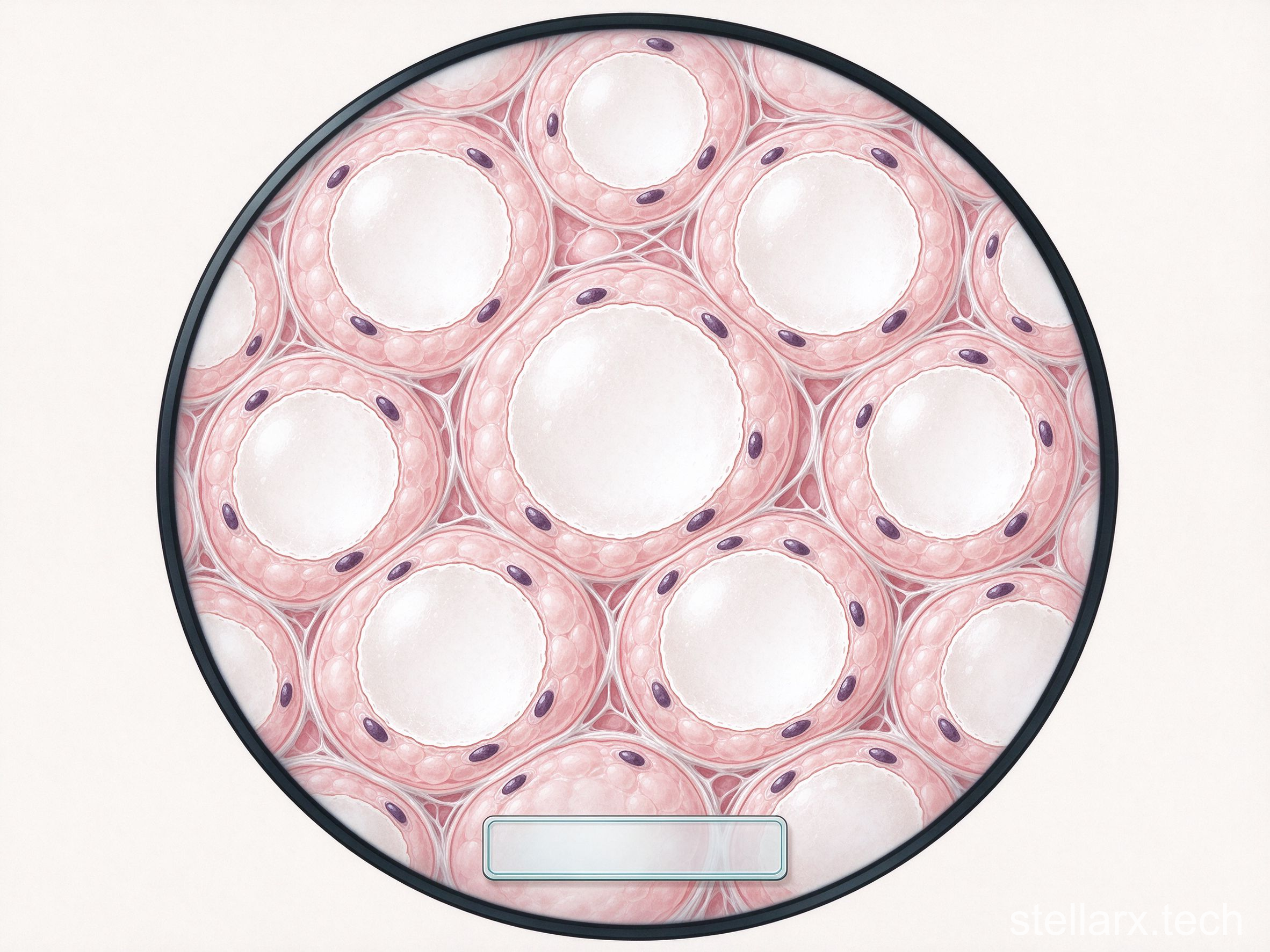
Want to see what a calorie surplus looks like at the cellular level? WWAI is an AI-powered biology encyclopedia that answers your biology questions instantly and lets you observe real microscope slide specimens online — including a specially stained human adipose tissue specimen where fat cells and their lipid droplets are clearly visible. Search "WWAI" in your app store and download it today.
References:
[1] All illustrations are AI-generated.
[2] Energy and food-intake data adapted from a public report on the long egg tart trend and its reported calorie content, 2026-09-26.
- Bill Gates Warns AI Could Kill a Billion People — and Says Self-Regulation Has Failed
- The "Textbook Diet": 7 Nutrition Rules Most Diet Advice Misses
- Flu Season Is Back: Why the Annual Flu Shot Is a Biology Lesson Worth Taking
- Matcha Benefits: What 3 Grams of Matcha Powder Actually Contains
- The 60-cm Long Egg Tart Is Delicious for 3 Bites — Then Sickeningly Rich. Here's the Biology
- Pepino Melon Is Sweet, Low-Calorie, and 94% Water — If You Buy It Ripe
- Old Phone to USB Drive: How to Turn a Dead Phone's Chip Into a Fast Flash Drive | yunpoly
- Trump Wants to Rename AI to "SI" — Because "Artificial" Makes Intelligence Sound Fake
- A 1 cm Thyroid Nodule Turned Out to Be Cancer While a Bigger One Was Fine — Here's the Biology
- Why Are Mysterious Round Holes Appearing on Parked Cars? The Culprit Is a Moth Larva
全部评论