The "Textbook Diet": 7 Nutrition Rules Most Diet Advice Misses
A question went viral on Chinese Q&A platform Zhihu: "What is a textbook-level diet?" With over 670,000 views and dozens of answers, the highest-voted replies were remarkably consistent — not faddish, not expensive, and rooted in real food science. Here is what "eating by the book" actually means, distilled into rules you can use today.
Rule 1: Choose Nutrient Density, Not Just "Healthy" Labels
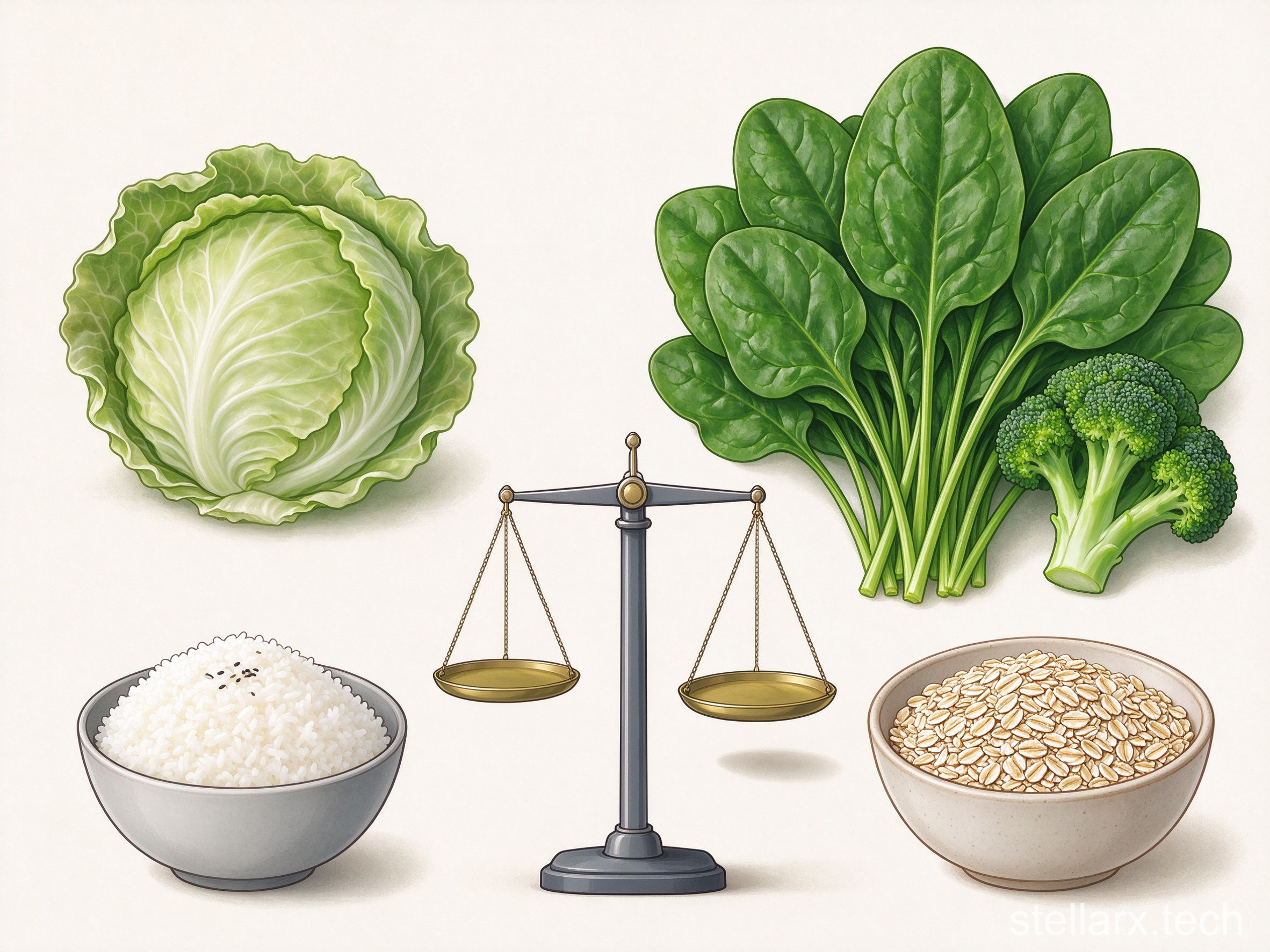
Not all vegetables are equal. Cabbage is fine, but spinach carries magnesium and broccoli carries a heavy load of antioxidants that cabbage cannot touch. Likewise, brown rice beats white rice — but steel-cut oats outdo both: their beta-glucan is a standout soluble fiber, and they bring more protein. When your stomach has limited volume, pick foods with the most nutrition per calorie.
Rule 2: Pick Protein Sources Wisely
Eggs, shrimp, and chicken breast rank high: complete protein with manageable fat. Red meat is fine in moderation, but the answers recommend keeping it occasional. Even milk got a measured review — its calcium is excellent, its protein less impressive than the reputation suggests.
Rule 3: Fruits Are Not All Equal — Watch the Sugar
Berries — blueberries, strawberries, raspberries, mulberries — are the repeat winners: low sugar, high antioxidants. High-sugar fruits like durian are, in the words of one top answer, "basically junk food" from a metabolic standpoint. Sweetness and nutrition are different axes.
Rule 4: Fermented Foods Earn Their Place
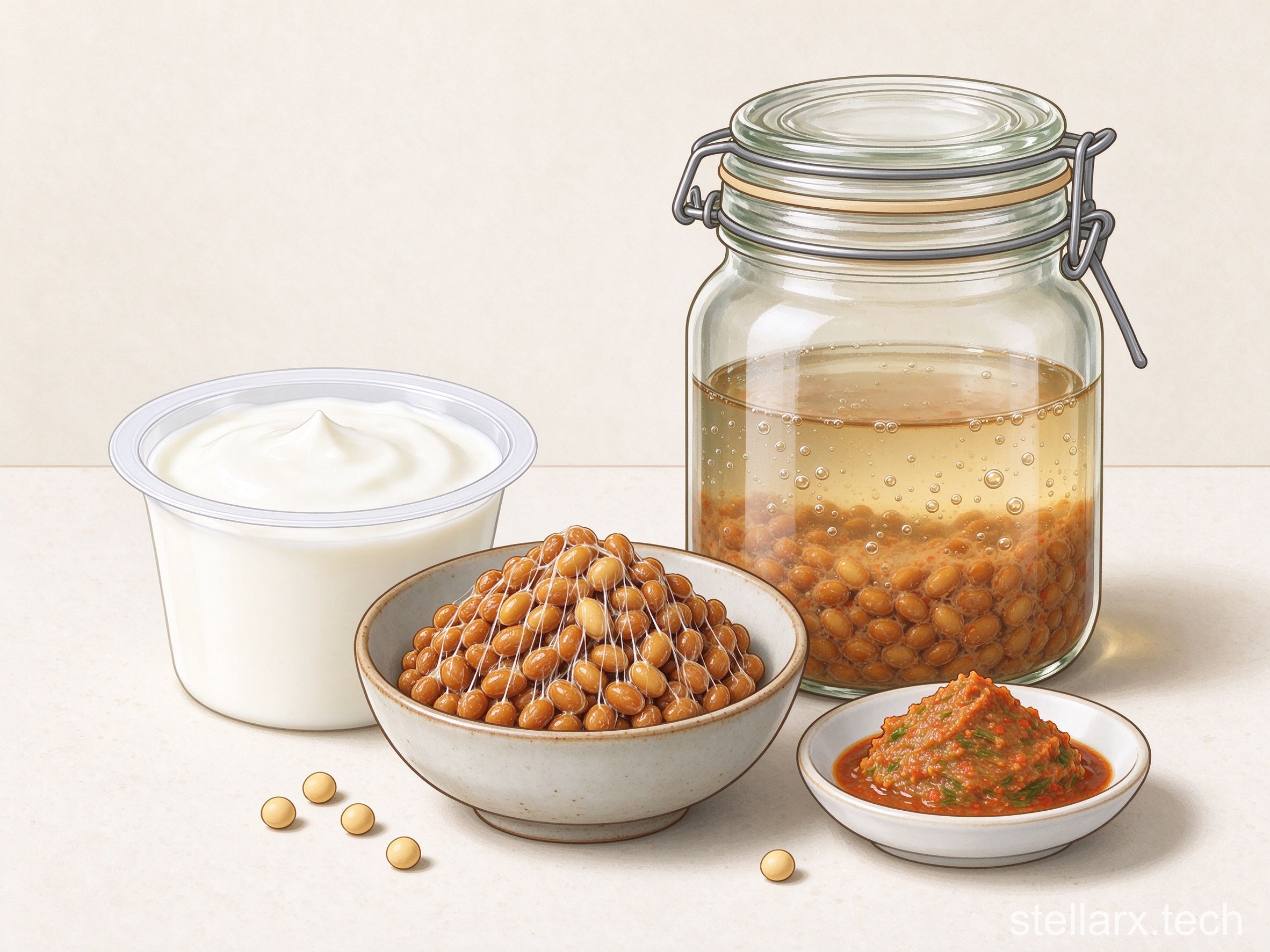
Unsweetened fermented yogurt and natto appear in multiple top answers. Fermentation is a microbial process: bacteria and fungi transform ingredients, adding beneficial microbes and changing nutrient availability. These foods deliver protein and probiotics that processed snacks do not.
Rule 5: Choose Fats With a Strategy
The most-upvoted answer recommends extra-virgin olive oil for cold dishes, tea-seed oil (camellia oil) for cooking, and low-erucic-acid rapeseed (canola) oil as the budget option — while singling out some common seed oils as "inflammation oils." That last claim is debated in the nutrition literature, so treat it as one school of thought. The practical core everyone agrees on: the type of oil you cook with matters, and quality matters more than quantity.
Rule 6: Small Fatty Fish for Omega-3
Sardines get the top recommendation: affordable, small (less heavy-metal accumulation than large predators), and rich in omega-3 fatty acids — the anti-inflammatory fats most Western-style diets run short on. Salmon is the glamorous version; sardines are the budget one.
Rule 7: Whole Foods Beat Supplements
This may be the most important rule — and the most interesting biology. The answers are blunt: supplements are not obviously helpful, and large doses of isolated nutrients are not necessarily good for you. Why? Whole foods wrap nutrients in structure. Fiber and plant cell walls slow release, so nutrients arrive gradually and alongside their natural cofactors. An isolated vitamin pill delivers a sudden spike; a whole food delivers a slow, steady stream your body evolved to handle.
The Fine Print: Eat in Color
The top answer's author added a correction after pushback: his list is a fallback for busy people. The true "full score" version is variety — five colors of vegetables, many fruit types, rotated proteins. Nutrient-dense shortcuts are for days when you cannot do perfect; variety is the permanent baseline.
And the cost reality: this approach does not have to be expensive. One answer reports keeping it to about 50 yuan (≈$7) per day — cheaper than most takeout habits.
The Microbial Side of "Textbook" Eating
Fermented foods — yogurt, natto, miso — are living examples of food as biology: microbes doing the work. Under a microscope, that world is visible and beautiful: yeast cells budding, dividing, fermenting sugars into the flavors and textures we love. It is one of the easiest ways to see "textbook eating" come alive at the cellular level.
Want to see fermentation in action under a microscope? WWAI is an AI-powered biology encyclopedia that answers your biology questions instantly and lets you observe real microscope slide specimens online — including a yeast specimen where budding cells are clearly visible, the same microbes behind bread, beer, and many fermented foods. Search "WWAI" in your app store and download it today.
References:
[1] All illustrations are AI-generated.
[2] Consensus points synthesized from a viral Q&A thread on "textbook-level diet" (Zhihu), 2026-09-12.
- Bill Gates Warns AI Could Kill a Billion People — and Says Self-Regulation Has Failed
- The "Textbook Diet": 7 Nutrition Rules Most Diet Advice Misses
- Flu Season Is Back: Why the Annual Flu Shot Is a Biology Lesson Worth Taking
- Matcha Benefits: What 3 Grams of Matcha Powder Actually Contains
- The 60-cm Long Egg Tart Is Delicious for 3 Bites — Then Sickeningly Rich. Here's the Biology
- Pepino Melon Is Sweet, Low-Calorie, and 94% Water — If You Buy It Ripe
- Old Phone to USB Drive: How to Turn a Dead Phone's Chip Into a Fast Flash Drive | yunpoly
- Trump Wants to Rename AI to "SI" — Because "Artificial" Makes Intelligence Sound Fake
- A 1 cm Thyroid Nodule Turned Out to Be Cancer While a Bigger One Was Fine — Here's the Biology
- Why Are Mysterious Round Holes Appearing on Parked Cars? The Culprit Is a Moth Larva
全部评论