Why Big Cats Never Get Scurvy but Sailors Did
In the wild, a tiger never touches fruit. It eats meat, drinks river water, and stays strong for years.
Centuries ago, on a sailing ship crossing the ocean, grown men ate hardtack and salt pork — and their gums began to bleed.
Both are mammals. Both have the same kind of body, the same kind of blood, the same kind of cells. So why does one of them thrive without fruit, while the other falls apart?
The Plague That Killed More Sailors Than Storms
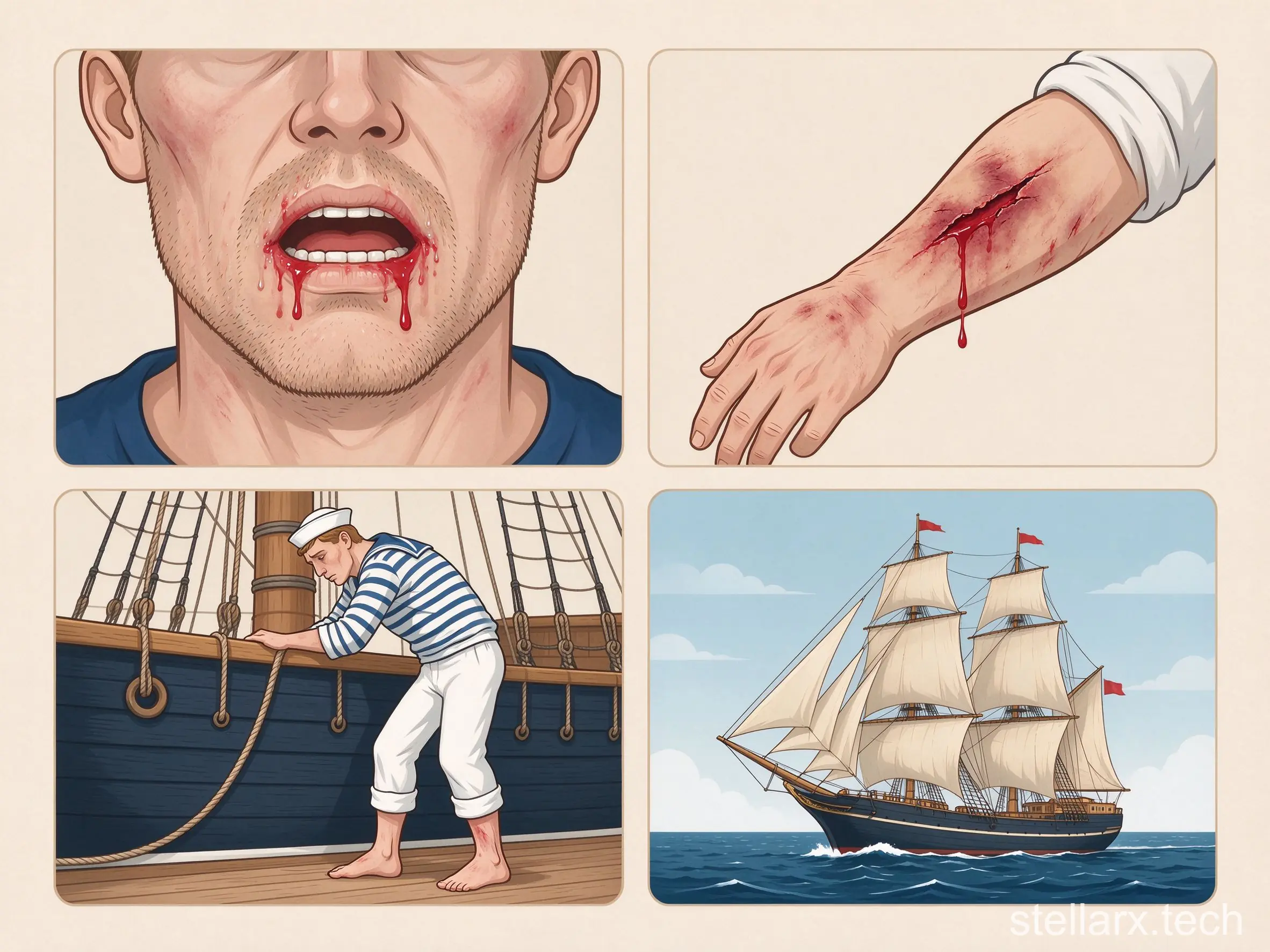
Scurvy was the nightmare of the age of sail. First the gums bleed. Then old wounds reopen — injuries that healed years ago start bleeding again. Teeth loosen. Legs grow weak, bruises bloom without cause, and men who cannot stand are left to die below deck.
It killed more sailors than storms, pirates, and shipwrecks combined. The crews did not know it yet, but they were not being attacked by anything. They were missing something.
The Missing Ingredient: Vitamin C, the Collagen Worker
That something is vitamin C (ascorbic acid). Humans cannot make it, and it has one enormous job: building collagen.
Collagen is the body's glue — the scaffolding of your gums, your skin, your blood-vessel walls, and every healed scar. But collagen needs vitamin C as its assembly worker. Without it, the body simply cannot stitch collagen together properly.
No vitamin C, no working collagen. No working collagen, and the blood-vessel walls in your gums weaken, wounds cannot knit shut, and old injuries fall apart. Scurvy is not a mystery disease. It is the slow collapse of the body's own scaffolding.
The Gene That Quit: GULO
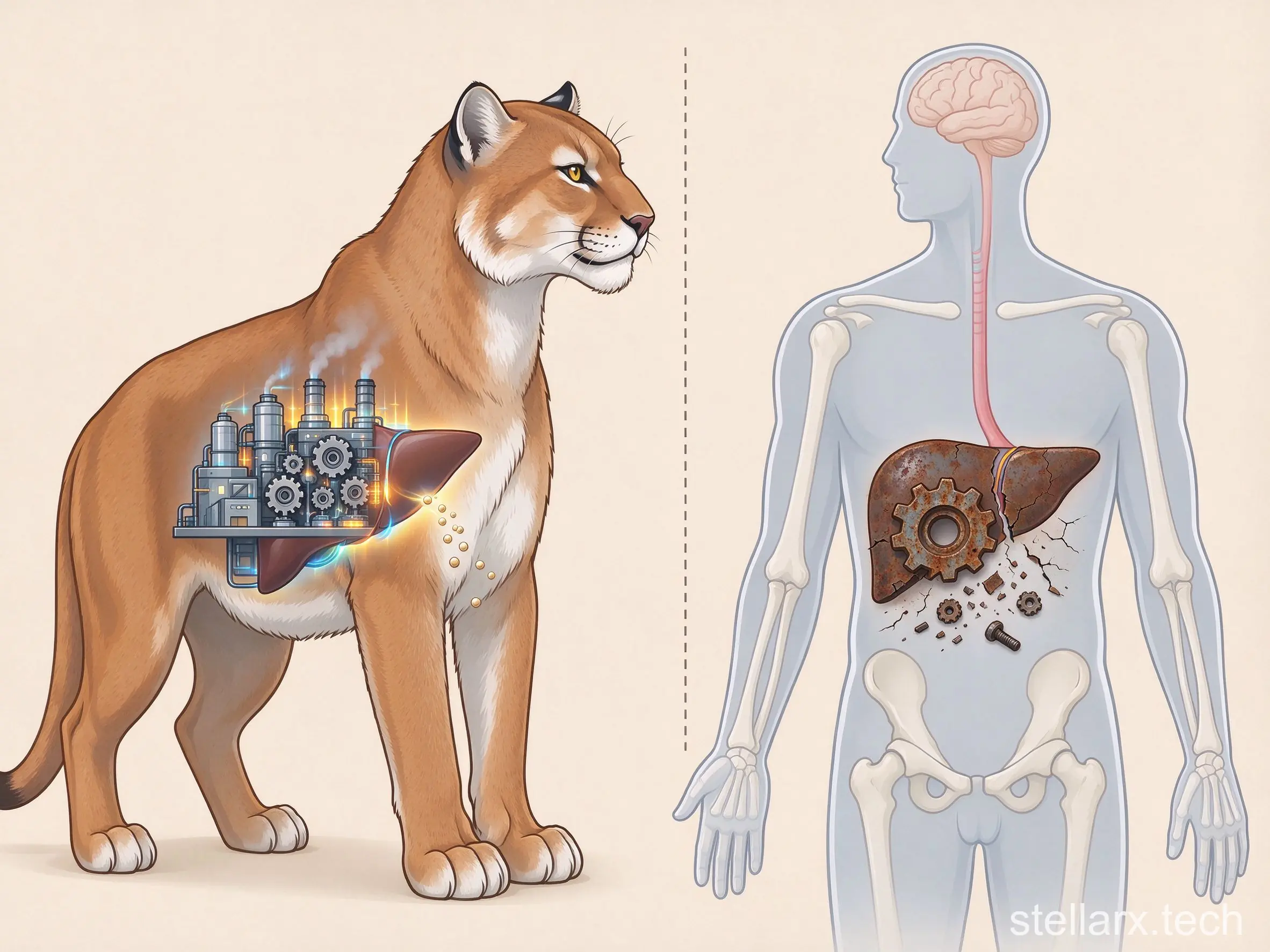
Now the twist. Most mammals do not need fruit at all. Their livers carry a working gene called GULO, which makes the enzyme that performs the final step of vitamin C synthesis. A tiger's GULO works. Its liver quietly produces ascorbic acid around the clock, which is why a tiger can eat nothing but meat and never develop scurvy.
Humans have a GULO gene too — but it is a pseudogene: a broken, silent remnant. Millions of years ago the gene started mutating, lost its function, and has been "slacking off" ever since. Your body still carries the wreckage, but it produces nothing.
Why Evolution Let It Break
Losing a working gene sounds like a disaster. In our ancestors' case, it was a bargain.
Early primates ate mostly fruit — and fruit is packed with vitamin C. When your diet supplies plenty of a nutrient, the pressure to keep making it yourself vanishes. Mutations broke GULO, the broken copies did not matter, and the gene was quietly retired. The same deal happened in fruit bats (lighter bodies matter more in flight) and in guinea pigs.
Cats never made that deal. They are strict carnivores, and meat carries almost no vitamin C. For a tiger, a working GULO is a matter of survival — so the gene stayed on the job.
Citrus, "Limeys," and the Modern Fix
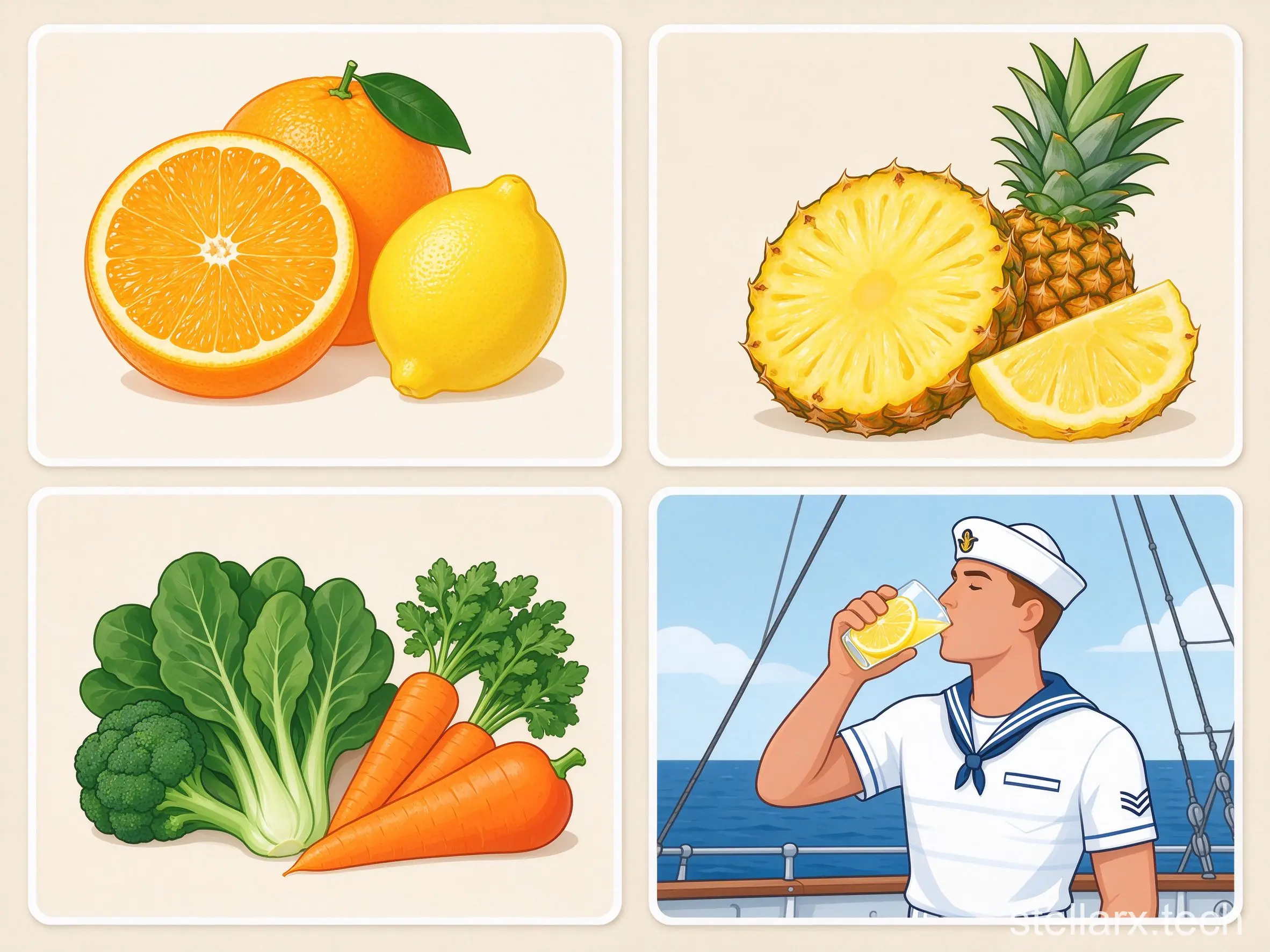
By 1747, a naval surgeon named James Lind ran a simple experiment: he gave scorbutic sailors citrus fruit, and they recovered. Decades later, the British navy began issuing lemon juice to every ship. The sailors earned a nickname that stuck for centuries — "Limeys."
You will not develop scurvy today. But your body still cannot make vitamin C, so it has to come from food every single day. Cooking destroys it, smoking drains it, and the daily need does not go away just because the disease is rare.
Look at the Fruit Cells
Here is the strange part of the whole story: the vitamin that once decided life and death on the high seas is produced inside ordinary plant cells — and you can see those cells right now under a microscope.
Want to look at the cells that stash your vitamin C? WWAI is an AI-powered biology encyclopedia that answers your biology questions instantly and lets you observe real microscope slide specimens online — including a pineapple fruit tissue specimen where the fleshy cells holding sugars and nutrients are clearly visible. Search "WWAI" in your app store and download it today.

References:
[1] Lind J. A Treatise on the Scurvy. 1753. (Historic clinical record of citrus treatment.)
[2] Nishikimi M, et al. Cloning and chromosomal mapping of the human nonfunctional gene for L-gulono-γ-lactone oxidase (GULO), the enzyme for L-ascorbic acid biosynthesis missing in man. J Biol Chem. 1994;269:13685–13688.
[3] All illustrations are AI-generated.
- Why Big Cats Never Get Scurvy but Sailors Did
- Three Years of Coughs, Endless Clinic Visits — Then Mom Opened the Wardrobe
- The ACL Tear Behind a Viral Dance Trend — Your Knee's Twisting Limit
- Why Thirst Vanishes the Moment You Swallow — Your Brain Settles the Bill in Advance
- The Egg-White-Like Solid on Steamed Crab Is Blood — Here's the Biology
- Bill Gates Warns AI Could Kill a Billion People — and Says Self-Regulation Has Failed
- The "Textbook Diet": 7 Nutrition Rules Most Diet Advice Misses
- Flu Season Is Back: Why the Annual Flu Shot Is a Biology Lesson Worth Taking
- Matcha Benefits: What 3 Grams of Matcha Powder Actually Contains
- The 60-cm Long Egg Tart Is Delicious for 3 Bites — Then Sickeningly Rich. Here's the Biology

全部评论